
Pesowin - Jueteng and Pesowin: A Cultural and Digital Exploration
Exploring the cultural, economic, and digital aspects of jueteng with a focus on Pesowin's influence.
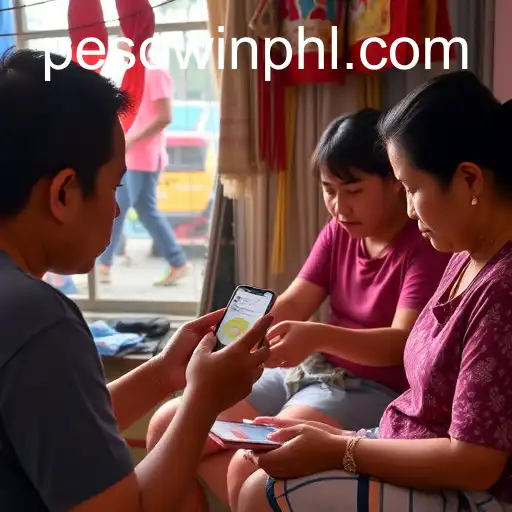
The Complex Web of Jueteng and the Role of Pesowin
Jueteng is a popular numbers game that has woven itself deeply into the cultural and economic fabric of the Philippines. Despite government efforts to curb it, jueteng persists in various forms, highlighting the complexities and contradictions of attempting to regulate informal economies. Integral to this landscape has been the emergence of digital interfaces such as Pesowin, which have dramatically altered how jueteng is played and perceived across different communities.
Understanding Jueteng: A Cultural Phenomenon
Originating in the late 19th century, jueteng has a storied history within the Philippines. Its mechanics are simple — players choose a combination of two numbers between 1 and 37. Draws take place frequently throughout the day, with modest stakes that can lead to significant payouts. Despite the inherent risks and the shadow of illegality, jueteng remains immensely popular, especially in rural and poorer urban areas.
Over the years, jueteng has transcended its status as merely a gambling game. It has become a form of social currency, with daily bets offering participants a sense of hope and community. Draws are social events, with results eagerly awaited and discussed among neighbors and friends. This social component makes gambling in jueteng more than just a monetary activity; it is a cultural practice that resonates deeply across the nation.
Jueteng and Philippine Society
Jueteng's persistence also underscores the intricate relationship between informal economies and systemic poverty. For many, jueteng represents an opportunity to escape financial hardship, albeit temporarily. It capitalizes on the lack of accessible banking and financial systems, providing an alternative means of cash flow for its players. In regions where government presence and intervention are minimal, jueteng acts as a self-regulating economic ecosystem.
Furthermore, the economic impact of jueteng is substantial. It provides livelihoods to a considerable number of people, from the collectors who canvass neighborhoods to the syndicates that manage operations. This broad distribution of roles within the jueteng ecosystem highlights its importance as an economic driver, albeit one that operates in legal gray areas.
The Legal Battle Against Jueteng
The Philippine government has long sought to dismantle jueteng operations, citing moral, economic, and legal reasons. Various administrations have attempted to stamp out the practice, often with little success. The deeply ingrained nature of jueteng, coupled with its adaptability, poses significant challenges to law enforcement efforts.
Despite periodic crackdowns and raids, jueteng often reforms and resurfaces in different guises. This resilience can be attributed to the inherently decentralized structure of jueteng operations, which makes it difficult to dismantle comprehensively. Moreover, allegations of corruption within local governing bodies further complicate enforcement efforts.
Digital Disruption: The Role of Pesowin
In recent years, technology has begun to reshape many traditional practices, and jueteng is no exception. Digital platforms like Pesowin have brought significant changes to the landscape. These platforms leverage the pervasive nature of mobile technology, allowing participants to place bets and receive payouts electronically. This transition to a digital interface offers numerous advantages, including anonymity, convenience, and rapid transactions.
Pesowin, as part of this technological evolution, introduces a new dimension to jueteng. By moving away from cash-based transactions, it reduces the visibility of monetary exchanges, adding a layer of security for users. The digital format also allows for a wider reach, enabling operators to tap into markets previously inaccessible by traditional means.
Implications of Digital Integration
The integration of digital platforms like Pesowin into jueteng operations raises questions about regulatory oversight and taxation. While digital technology can streamline operations and record-keeping, it also complicates governmental efforts to track and regulate illicit gambling. Furthermore, the shift to digital modes can alter the socioeconomic dynamics of regions heavily reliant on traditional jueteng operations.
There are ongoing debates on whether the formalization of platforms like Pesowin could provide a pathway for legitimizing certain aspects of gambling. Some argue that by regulating digital betting, the government could mitigate corruption and harness additional revenue through taxation. However, others caution against the potential social impacts of normalizing gambling, particularly on vulnerable populations.
The Future of Jueteng in the Digital Age
The future of jueteng, and by extension platforms like Pesowin, remains uncertain. As the Philippines continues to navigate the complexities of its informal economies, the integration of digital platforms presents both opportunities and challenges. Balancing the cultural significance and economic impact of jueteng with the need for regulation and social responsibility will be crucial in determining its trajectory.
Ultimately, addressing the underlying issues of poverty and lack of financial inclusion may offer more sustainable solutions than outright prohibition. As technology continues to evolve, so too must the approaches to tackling the long-standing tradition of jueteng in Filipino society. Whether jurisdictions opt to embrace or resist digital transformations, platforms like Pesowin serve as a reminder of the enduring adaptability and resilience of informal economies.
Conclusion
In conclusion, jueteng's persistence and evolution highlight the intricate interplay between culture, economy, and technology in the Philippines. As digital platforms like Pesowin reshape this landscape, stakeholders from all sectors will need to engage in dialogue addressing both the potential benefits and risks of such a transition.








GOLD VIP
Minimum deposit: ₱1,500
- ✅ 150% bonus on all deposits
- ✅ Priority withdrawal in 1 minute
- ✅ 10% cashback weekly
- ✅ VIP support 24/7
- ✅ Higher betting limits
PLATINUM VIP
Minimum deposit: ₱6,000
- ✅ 200% bonus + all Gold benefits
- ✅ Instant withdrawal 24/7
- ✅ 15% cashback weekly
- ✅ Exclusive VIP table in casino
- ✅ Special event invitations
DIAMOND VIP
Minimum deposit: ₱30,000
- ✅ 300% bonus + all previous benefits
- ✅ Dedicated personal manager
- ✅ 20% cashback weekly
- ✅ Unlimited withdrawal limits
- ✅ Exclusive trips and gifts
🚀 Register NOW and Get ₱15,000 Bonus!
⏰ LIMITED TIME OFFER! Join over 1.2 million players who have already discovered why Pesowin is the #1 betting platform in the Philippines. Registration in 30 seconds, first withdrawal in 2 minutes!
💬 What our players say
"Best platform I've ever used! GCash withdrawal in 2 minutes, amazing support!"
- Carlos M., Manila ⭐⭐⭐⭐⭐
"Won ₱45,000 on Gates of Olympus! They paid everything correctly via GCash."
- Ana L., Cebu ⭐⭐⭐⭐⭐
"VIP system is amazing! I have a personal manager and cashback every week."
- Roberto S., Davao ⭐⭐⭐⭐⭐
PAGCOR License
SSL 256-bit
eCOGRA
BSP Approved